
Programmes
Every stage has a place here
Four programmes, one continuous pathway
An athlete should never have to leave in order to progress. These four programmes are not separate products. They are one pathway, and an athlete moves along it when the evidence says they are ready.
- 01 Ages 5–16 Grassroots A multi-sport foundation that turns curiosity into skill, and skill into potential.
- 02 Every stage Long-Term Athlete Development Progression governed by biological maturity rather than birthdays.
- 03 Competitive & elite High Performance Centre Coaching, sports science and innovation working as one system.
- 04 Open to all Pay & Play World-class facilities, flexible access, no long-term commitment.
Grassroots
Where an athlete begins.
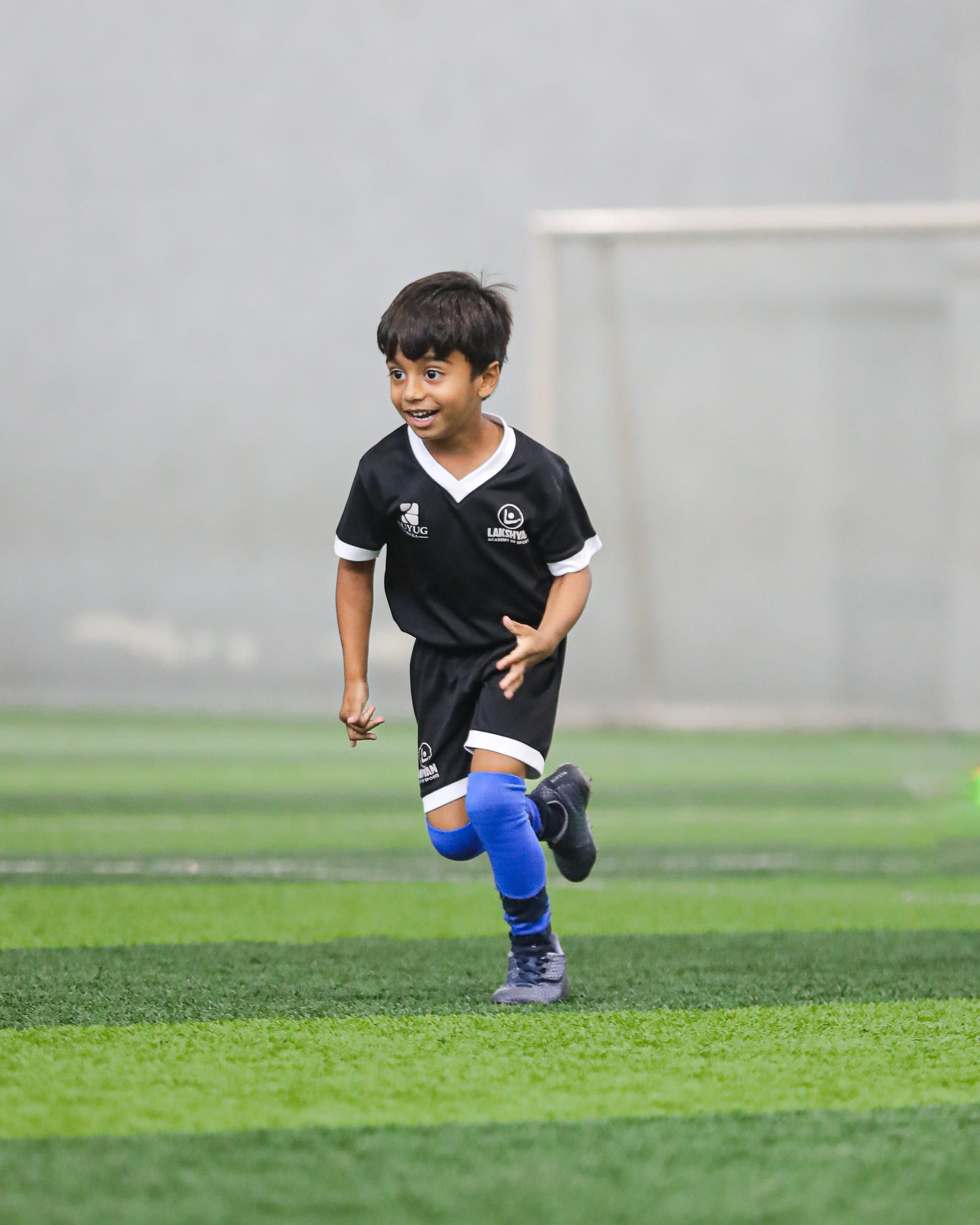
Most children meet sport by accident: a school session, a friend’s club, a passing interest. Grassroots exists to make that first meeting count. We teach children how to move before we teach them a sport, and we keep the door open regardless of age or ability.
The stages
Three stages, eleven years
Progression is by stage, not by school year. Each stage has its own emphasis, and an athlete moves up when they are ready for the next one.
- Foundations Ages 5–8 Physical literacy first: balance, coordination, agility and spatial awareness, taught through play.
- Development Ages 9–12 Sport-specific technique layered onto a broad athletic base, with real decisions to make.
- Performance Ages 13–16 Technique under pressure, tactical understanding, and the first steps onto a competitive pathway.
The sessions
Taught, not supervised
A session is never an hour of unstructured play. Skill drills build the movement, small-sided games force the decision, and play keeps the whole thing worth turning up for. Every session is led by certified coaches trained in child-centred method and safeguarding, and we hold coach-to-athlete ratios steady so nobody trains unnoticed.
Access
Built around a family’s week
Sessions run after school and at weekends, because a programme that fights the family calendar loses. Adaptive options mean differing abilities train alongside everyone else, and school partnerships bring the first session to children who would not otherwise find us.
Progress
Reviewed four times a year
Every quarter, coaches assess physical and technical progress and write it down. That record is what recommends an athlete for advanced training, a school team or a trial, so participation always leads somewhere, and no one advances on a hunch.
Beyond sport
What children take home
Teamwork, resilience, leadership and managing their own time. These are not a side effect of sport, they are half the reason to do it, and they show up in school long before they show up on a scoreboard. Local tournaments and community events give children somewhere to put it all.
Long-Term Athlete Development
Built for the 22-year-old, not the 12-year-old.
LTAD is not a programme you enrol in. It is the framework underneath all of them. It decides how hard an athlete trains, when they progress, and what we refuse to do to them along the way.
The problem
Early success is a poor predictor
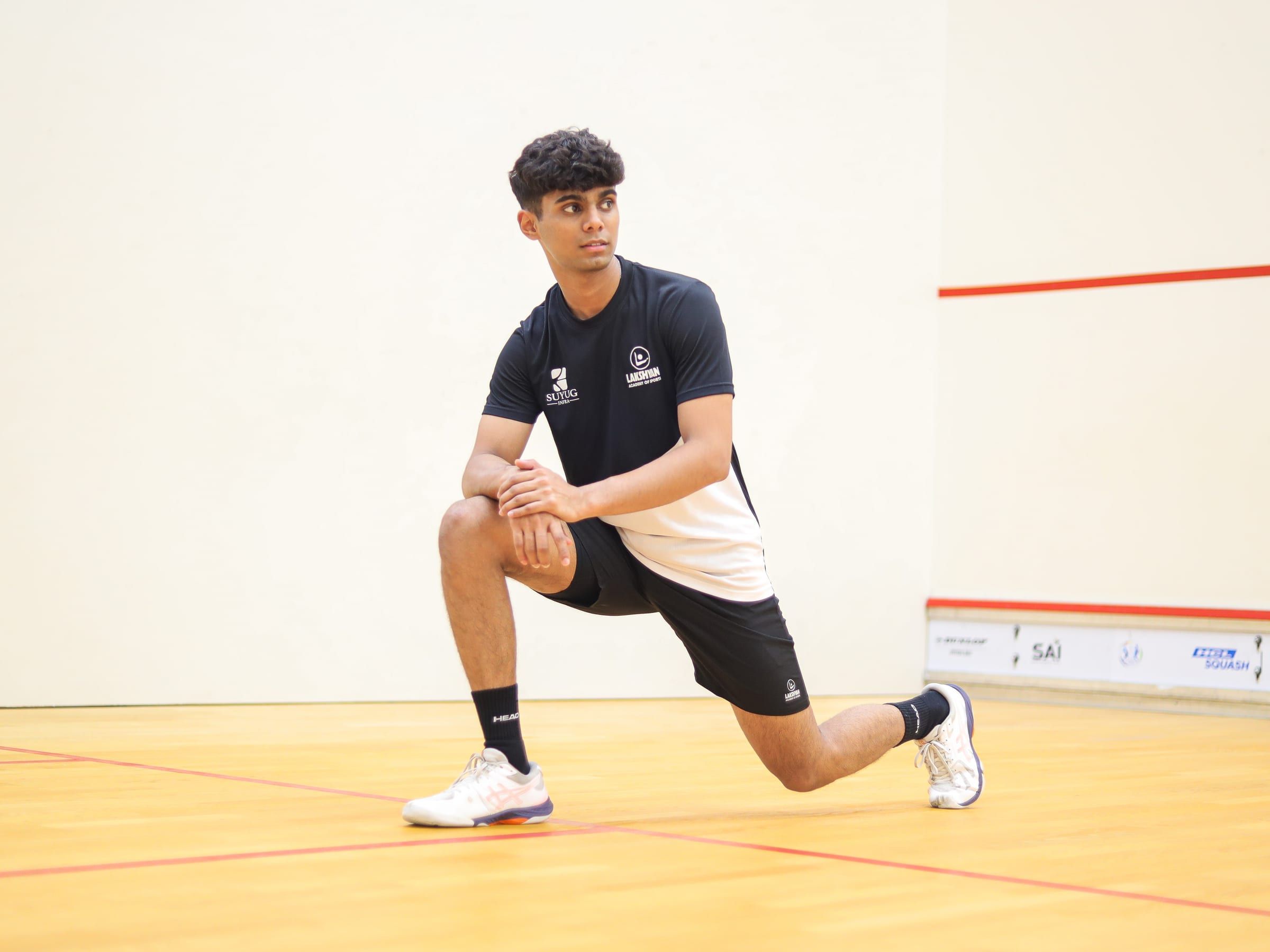
Youth sport has spent decades assuming that the quickest route to an elite career is to pick one sport early and drill it hard. It is an intuitive idea and it does produce impressive twelve-year-olds. It also produces injured sixteen-year-olds and absent twenty-year-olds. The question worth asking is not how good a child is today, but who they will still be a decade from now.
The evidence
What the research actually shows
Côté’s Developmental Model of Sport Participation found that athletes who sample several sports through childhood before specialising later tend to have longer, healthier and more successful careers. Jayanthi and colleagues put a number on the cost of the alternative: children who specialise too early carry measurably higher rates of overuse injury. And work by Ford, Lloyd and Oliver replaced the old belief in narrow “windows of trainability” with something more useful: children stay trainable across a broad range of qualities throughout growth, so long as the training suits the stage they are at.
Readiness
Why we ignore birthdays
A birth certificate tells us almost nothing about what a child can safely handle. An athlete’s position relative to Peak Height Velocity tells us a great deal about injury risk, training tolerance, about how much load is sensible this month. Two twelve-year-olds can be developmentally years apart, and treating them identically shortchanges both. So we bio-band and assess individually rather than programme by age group. The IOC’s consensus on youth athletic development supports the corollary: well-designed, well-supervised strength work is not a risk to young athletes, it is protection.
Assessment
Eight things we measure
Athletes are assessed through the year, so decisions about progression rest on evidence rather than impression. The picture this builds is what shows progress, exposes gaps and tells us when to move someone up.
- Growth and maturation tracking
- Body composition
- Movement screening
- Strength assessment
- Speed and agility testing
- Explosive power
- Endurance
- Athlete wellness monitoring
Training
Nine qualities, built in order
Physical development is sequenced, not bolted on. Loads are monitored continuously so progress comes without the injury that usually accompanies it.
- Fundamental movement skills
- Coordination
- Balance
- Speed
- Strength
- Power
- Endurance
- Mobility
- Injury resilience
Habits
The half that happens away from training
An athlete who trains well and sleeps badly is still an athlete in decline. These are coached deliberately, and parents and coaches reinforce them, which is the only reason they ever stick.
- Recovery
- Nutrition
- Sleep
- Lifestyle habits
- Self-discipline
- Personal responsibility
- Professional behaviours
The team
One system, not a set of specialists
Coaches, sports scientists, physiotherapists, nutritionists and psychologists work from the same assessments and the same plan. Our objective is not only a successful athlete but a confident and adaptable person. Our commitment to every family is simple: we will always choose what is right for the athlete’s future over what is convenient for the present.
High Performance Centre
Potential, engineered rather than hoped for.
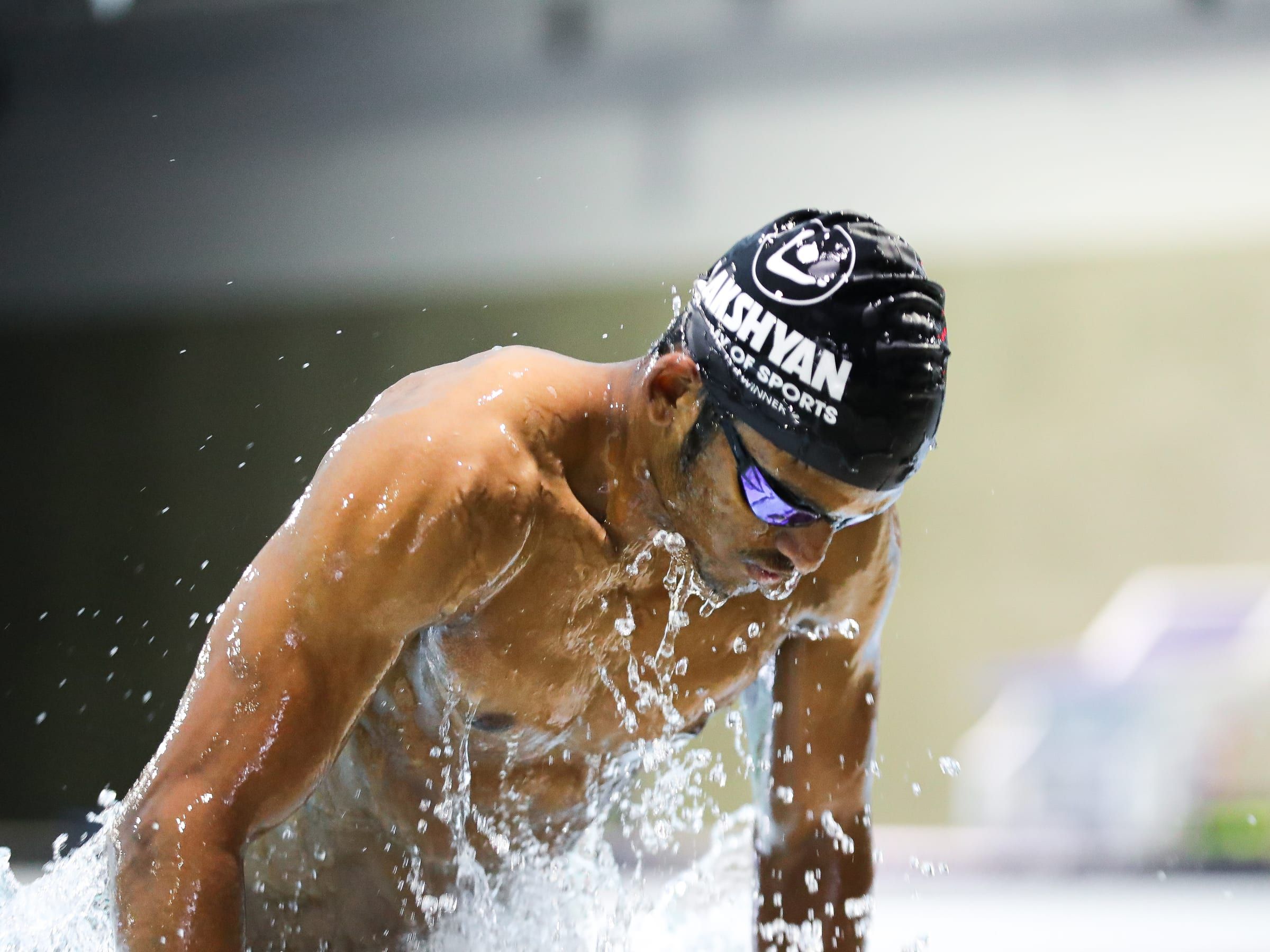
The High Performance Centre is where the pathway sharpens. Elite results are built on a long commitment rather than a good season, so the work here is measured, reviewed and adjusted continuously, never assumed.
Approach
Individual by necessity
No two athletes arrive the same. Biological maturation, training age, movement competency, injury history and the specific demands of the sport all change what the right programme looks like, so those factors shape how training is planned and progressed within every cohort. Regular testing and athlete monitoring replace guesswork, and success is judged by resilient, confident, durable athletes as much as by podium finishes.
Principles
Eight things we hold to
- Athlete-centred development
- Evidence-based coaching
- Long-term athletic development
- Scientific assessment and monitoring
- Multidisciplinary collaboration
- Progressive training
- Injury prevention and wellbeing
- Education and innovation
Services
Nine services, one plan
Performance has too many inputs for any one discipline to own it. These services are not bolted alongside the coaching programme. They are built into it.
Strength & conditioning
Programmes for strength, power, speed, agility, endurance and movement quality, designed to reduce injury risk as they raise output.
Testing & assessment
Objective measurement is the foundation everything else is built on.
- Anthropometry and body composition
- Musculoskeletal screening
- Movement competency
- Speed testing
- Agility and change of direction
- Jump testing
- Strength profiling
- Aerobic and anaerobic fitness
- Performance benchmarking
Athlete monitoring
Tracked continuously, so today’s decision uses today’s data.
- Training load
- Wellness
- Recovery
- Fatigue
- Readiness to train
Physiotherapy & rehab
Assessment, treatment, rehabilitation and return-to-sport planning, run alongside coaching rather than in a separate room.
Performance nutrition
Education and day-to-day support for recovery, body composition, training adaptation and competition readiness.
Sports psychology
The mental side, coached as deliberately as the physical.
- Confidence
- Focus
- Emotional regulation
- Motivation
- Competitive mindset
- Resilience
Recovery
Mobility work, ice bath, infrared and pool recovery, with monitoring and return-to-training planning around them.
Performance reporting
Every athlete gets a written picture of where they actually stand.
- Physical performance
- Progress over time
- Strengths
- Areas to improve
- Recommendations
Education
For athletes, parents and coaches, because all three shape the outcome.
- Training principles
- Recovery
- Nutrition
- Injury prevention
- Athlete development
- Performance lifestyle
Pay & Play
Turn up and play.
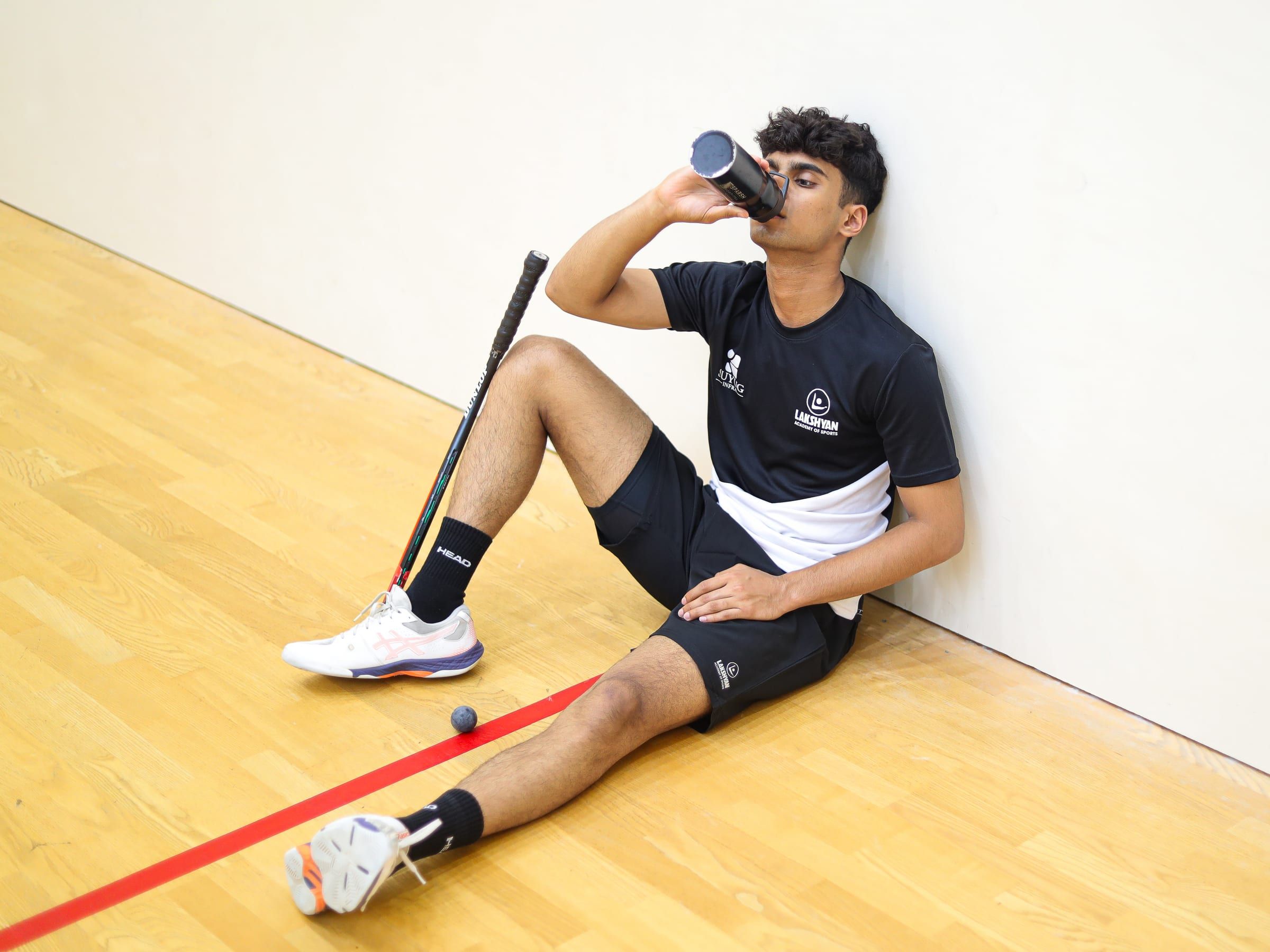
Not everyone who walks in wants a pathway. Some want a court for an hour, a lane before work, or somewhere their family can spend a Sunday. Pay & Play opens the same infrastructure our athletes train on to anyone who wants to use it.
How it works
No membership, no commitment
Book what you need, when you need it. The facilities are the same ones our high-performance squads use, and recreational programmes run for every age, from children through to senior citizens, with talent-spotting quietly built in for anyone who turns out to want more.
- No membership or long-term commitment required.
- Open to individuals, groups and families.
- Recreational programmes for every age, from children to senior citizens.
- Schools, colleges and universities can stage their events here.
- Corporates welcome, in a soothing and all-inclusive environment.
The best way to understand
Lakshyan is to walk in
A visit takes 30 minutes. The impression lasts much longer. Come and see the facility, meet the coaches, and find the right fit.